



How the Network is Built
The Tohu network runs on a collection of computers called nodes, each operated by a participating community. Some of these nodes are called validators — they are responsible for confirming transactions and keeping the shared record up to date. Validators communicate with each other over a secure, encrypted connection, so only authorised participants can take part in the process.
Each node in the Tohu network is assigned to a marae, meaning the communities themselves are the backbone of the network — and each marae has real agency in how it operates and grows.
Each validator node runs continuously in the background, automatically restarting if anything goes wrong, and keeps a complete copy of all transactions ever recorded on the network.
How Transactions Work
When a community member wants to send TOHU tokens to someone else, they open the Tohu Wallet app, enter the recipient’s address, and specify how many tokens to send. The app then creates a secure, tamper-proof instruction that proves the sender authorised the transfer — without ever exposing their private credentials.
That instruction is sent to the network, where validator nodes collect it along with other pending transactions. The validators group these together into a batch, check that everything is in order, and then agree amongst themselves that the batch is valid. Once they reach agreement, the batch is permanently added to the shared record.
From that point on, the transaction cannot be changed or reversed. This typically happens within seconds, making Tohu fast enough for everyday trading between marae communities.
Tokens and How They Are Created
New TOHU tokens come into existence through a process called minting, which happens automatically each time a new block of transactions is confirmed by the network. Think of a block as a page in the shared record book — every time a new page is completed and added, the network creates a small number of fresh TOHU tokens as a reward for the validators who did the work. This is how the network sustains itself over time, gradually bringing new tokens into circulation rather than releasing them all at once.
New tokens are created gradually over time as a reward for the communities that run validator nodes. Each time a validator confirms a batch of transactions, it receives a small number of newly created TOHU tokens. This gives communities a practical incentive to keep the network running reliably — a modern expression of mahi tahi.
The number of new tokens created is spread evenly across all active validators, so no single community earns more than another. These additional nodes also receive rewards for their role in keeping the network connected. At current rates, it will take approximately twenty years for all one billion tokens to be issued — giving the network a long and stable future as it grows.
Wallets and Managing Your Tokens
To use the Tohu network, community members need the Tohu Wallet app. Think of it like a secure digital purse — it holds the credentials that prove you own your TOHU tokens and allow you to send them to others.
When you set up a wallet, you receive a private key — a secret code unique to you — and a public address that others can use to send tokens to you. Your public address is safe to share, but your private key must be kept secret at all times. Anyone who has your private key can access your tokens.
The Tohu Wallet app keeps your private key encrypted and stored safely on your own device. You can use it to check your balance, view your transaction history, and send TOHU to other whānau and community members. Because you control your own private key, no one else — not even the network operators — can access your tokens without your permission.
It is the responsibility of each user to safely store their own private key or keystore file. A keystore file is an encrypted version of your private key that can be backed up and stored securely. If you lose access to both your private key and your keystore file, your tokens cannot be recovered — there is no password reset, no support line, and no way for anyone else to restore access. Keeping a secure backup, stored somewhere safe and private, is one of the most important things you can do as a participant in the Tohu network.
How the Network Stays Secure
The Tohu network is designed with security built in at every level.
Validator nodes only communicate with each other through an encrypted connection, meaning outside parties cannot intercept or interfere with the process of confirming transactions. Only marae representatives with approved credentials are allowed to operate validator nodes, keeping the mana of the network in trusted hands.
Once a transaction is recorded, it cannot be altered. Changing any past record would require redoing every record that came after it — something that is effectively impossible. This makes the network’s history permanently reliable.
The agreement process used by validators is also designed to keep working correctly even if a small number of nodes behave unexpectedly or maliciously. The network only needs a majority of validators to agree for everything to proceed safely.
Together, these layers of protection give communities confidence that their transactions and tokens are secure — and that the koha of trust placed in the network is well founded.
The Beginning
When the Tohu network launches, it will start with only ten TOHU tokens already in existence. These ten tokens are preminted — meaning they are created at the very start — and nothing more. There is no large pool of tokens held back for founders, developers, or anyone else. Every token that exists beyond those first ten can be seen on the blockchain itself, created through the minting process as validators do their work. This means everyone can verify that the network started fairly, with complete transparency about where every token came from. Because everything is visible and verifiable on the blockchain, this approach strengthens the integrity of the entire network — no one can claim hidden allocations or unfair advantages were built in from the beginning.
Governance and Community Decision-Making
The Tohu network is controlled by the communities that operate it, not by a single company or person. When important decisions need to be made about how the network operates — whether it’s changes to how tokens are minted, updates to security, or new features — those decisions are made through a voting process where everyone in the network gets a say.
Every holder of TOHU tokens can participate in governance votes directly from their Tohu Wallet. When a proposal is put forward, you can review what it’s about and cast your vote — whether you agree, disagree, or want to abstain. Your vote is recorded on the blockchain, so it’s transparent and permanent. This means the people who use the network every day are the ones shaping its future, rather than decisions being made behind closed doors. By putting governance in the hands of token holders, the Tohu network ensures that power stays with the communities it serves.
What Tohu Is Not
Tohu is not a cryptocurrency in the traditional sense — it is not designed for speculation or investment returns. It is not a currency like dollars or euros that you use to buy everyday goods in shops. It is not fiat money backed by a government. Tohu is a token that represents value within a specific community network, designed to enable fair exchange and mahi tahi amongst marae. Its purpose is practical and grounded in the needs of the communities using it, not in creating profit for investors or traders.
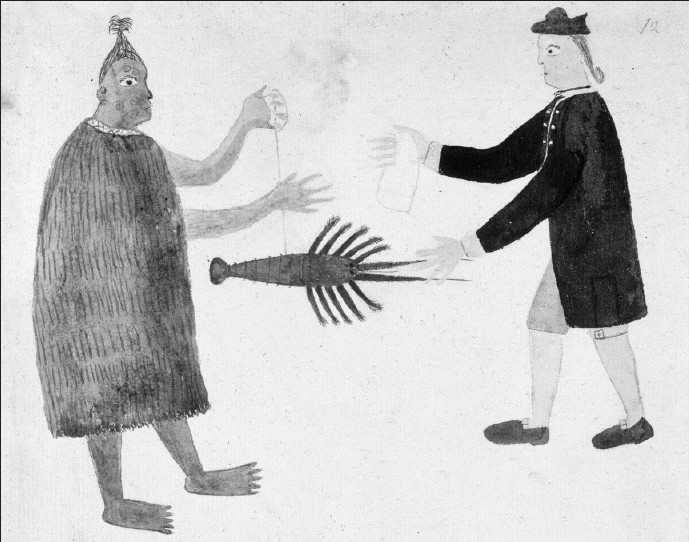
In many ways, Tohu is a return to the way tupuna traded before colonisation. Prior to 1840, marae communities across Aotearoa engaged in rich networks of exchange — goods, services, and goodwill flowing between iwi according to relationships, reciprocity, and shared values. Tohu brings that same spirit into the digital age, giving communities a modern tool to practise what their ancestors always knew: that trade is about connection and community, not profit and speculation.
Who Can Join
The Tohu network is a permissioned network, meaning participation is not open to just anyone. Marae communities who wish to join apply to become part of the network, and their participation is approved by existing network members through the governance process. This ensures that the network remains in the hands of trusted communities and that growth happens in a considered and deliberate way. Once approved, a marae is assigned a node and becomes an active participant in the network.
What Can Be Traded
The Tohu network is designed to support the exchange of a wide range of goods and services between marae communities. This could include kai, crafts, timber, and other physical goods, as well as services such as construction, farming, teaching, or creative work. Any exchange that two communities agree on can be represented and settled using TOHU tokens. The network does not dictate what can or cannot be traded — that is left to the participating communities to decide amongst themselves, guided by their own tikanga and values.
How to Get TOHU
For everyday community members who are not running a validator node, there are a few ways to receive TOHU tokens. The most straightforward is to receive them from another community member in exchange for goods or services — the same principle of koha that has always governed exchange between whānau. As the network grows, marae may also choose to distribute tokens to their members directly. Because all transactions are recorded on the blockchain, every token can be traced back to its origins, ensuring that the supply remains transparent and fair for everyone involved.
The Explorer
The Tohu network has a public blockchain explorer — a website where anyone can view every transaction ever recorded on the network. You can look up any wallet address, see what tokens were sent, when they were sent, and to whom. Nothing is hidden. This transparency is a core part of what makes Tohu trustworthy — the entire history of the network is open for anyone to inspect at any time, reinforcing the integrity that the network was built on from its very first block.
Disclaimer
Tohu is not a financial product and nothing in this document constitutes financial advice or an invitation to invest. TOHU tokens are not designed for trading on exchanges, speculation, or generating financial returns. They exist solely to facilitate exchange within the Tohu network community. Participants should not acquire TOHU tokens with any expectation of profit. If you are unsure about your obligations or rights, you should seek independent legal or financial advice.